Science and faith do not exclude one another. On the contrary, the modern sciences originated within the Christian tradition and were significantly shaped by numerous believing researchers and scholars. Albertus Magnus, the medieval Doctor of the Church and pioneer of the empirical natural sciences, stated: God can be found in the world [nature], and both reason and the observation of nature lead to a greater love of the Creator God. In this spirit, we welcome science, education, and critical thinking as expressions of our God-given abilities and of God’s commission to humanity to use and preserve nature. Hostility toward science, conspiracy theories, and fake news have no place among us.
With knowledge and technology comes responsibility. The scientific and technological achievements of our society should be used for the benefit of humanity and nature, not for short-sighted profit at the expense of others and future generations. Through the revelation of God’s will in the Bible and the central commandment of love, Christians possess an unwavering position within public discourse. We stand for a responsible and just approach to new technologies, for the protection of human life (born and unborn), and for the preservation of our environment and natural resources for future generations.
Reason and diversity of opinion instead of dogmatism. In matters of faith and personal conduct, God’s revelation in the Bible is our unshakable foundation and guiding principle for our actions. The Bible reveals God to us as the Creator and Sustainer of all existence, but not necessarily how He created the earth and humanity. Where statements in the Bible appear to conflict with scientific findings, we seek open dialogue. Such dialogue should be characterized by mutual respect and a willingness to learn from one another. We recognize differing opinions and perspectives as enriching and strive within our church community for unity amid a diversity of convictions.
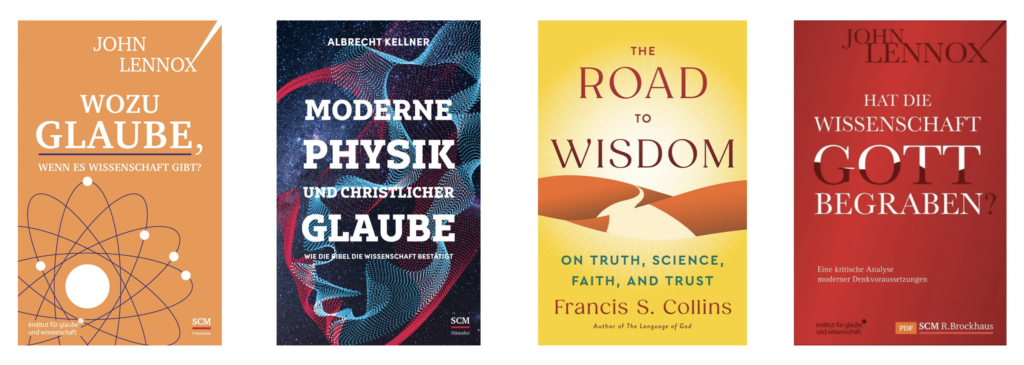
For a more in-depth exploration of this fascinating topic, we recommend the works of authors such as John Lennox, Albrecht Kellner, and Francis Collins.